Indian Sandalwood
meets Sandalo Eau de Parfum.
Compare the recorded scent profiles, then decide what to sample.
Sandalwood
Both records list these notes. Shared notes do not guarantee the same smell.
Concentration not recorded leads with woody; Eau de parfum leads with citrus. The table below separates their listed profiles and voting data.
| At a glance | 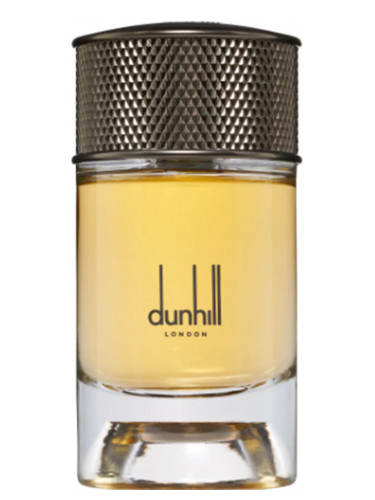 Alfred Dunhill Indian SandalwoodConcentration not recorded Explore fragrance ↗ | 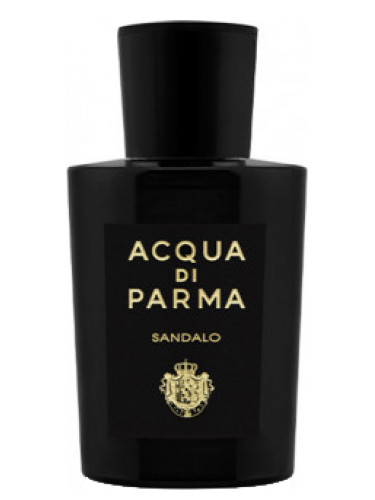 Acqua di Parma Sandalo Eau de ParfumEau de parfum Explore fragrance ↗ |
|---|---|---|
| Concentration | Concentration not recorded | Eau de parfum |
| Listed bottle sizes | Not yet verified | Not yet verified |
| Brand origin | Not yet verified | Italy |
| Made in | Not yet verified | Not yet verified |
| Listed year | 2019 | 2019 |
| Leading accords | woody · powdery · earthy | citrus · aromatic · woody |
| Notes unique to this record | Carrot, Bergamot, Orris, Moss, Patchouli, Cypriol Oil or Nagarmotha | Calabrian bergamot, Orange, Petitgrain, Lemon, Lavender, Cardamom, Tonka Bean, Amber |
| Longevity / 5 | 3.45 · 260 votes | 3.54 · 395 votes |
| Projection / 4 | 2.30 · 272 votes | 2.30 · 416 votes |
Scores are category averages, not hours or controlled measurements. Different vote samples are not a head-to-head wear test. “Unique” notes here means absent from the other record, not proof of a formula difference.
Ingredients, side by side.
Read the declared lists for the editions shown. Shared entries do not mean identical formulas, proportions or scent.
A label comparison will appear when both ingredient lists are verified for the same market.
Indian Sandalwood
Ingredient list not yet verified for this edition and market.
Sandalo Eau de Parfum
Eau de parfum · US listing
Alcohol denat., Parfum (fragrance), Aqua (water), Linalyl acetate, Limonene, Tetramethyl acetyloctahydronaphthalenes, Citrus limon (lemon) peel oil, Citrus aurantium peel oil, Butyl methoxydibenzoylmethane, Ethylhexyl salicylate, Linalool, Juniperus virginiana oil, Pogostemon cablin oil, Coumarin, Citrus aurantium bergamia (bergamot) peel oil, Pinene, Lavandula oil/extract, Citronellol, Trimethylcyclopentenyl methylisopentenol, Amyl salicylate, Beta-caryophyllene, Pelargonium graveolens oil, Citral, Terpineol, Camphor, Geranyl acetate, Eugenol, Santalol, Geraniol, Cinnamyl alcohol, Rose ketones, Anise alcohol, Alpha-terpinene, Terpinolene, Hexadecanolactone, CI 14700 (red 4), CI 15985 (yellow 6), CI 19140 (yellow 5), CI 42090 (blue 1)
Source: Acqua di Parma official US product page · Checked 2026-09-22 · Formula reference 21903
These are published ingredient declarations, separate from scent notes. “Parfum” or “fragrance” can represent a mixture without listing every component. Formulations can change by market and batch; check the packaging on your bottle. A matching or missing entry does not establish suitability for an allergy.
Follow your curiosity.
A starting point, not a verdictConcentration not recorded
Start here if the listed woody and powdery direction interests you. Try it on skin before deciding.
Eau de parfum
Start here if the listed citrus and aromatic direction interests you. Try it on skin before deciding.